
Gabapentin 300mg (Neurontin): Uses, Benefits, and Alternatives Explained Simply
| Medicine name | Gabapendin – Neurontin |
| Medicine Strength | 300mg/ 600mg / 800mg |
| Shipment | USA 2-3 Days Express Delivery |
| Price | Starting from $ 1.69 Per Pill |
| Where to buy? | Visit Pharmacy |
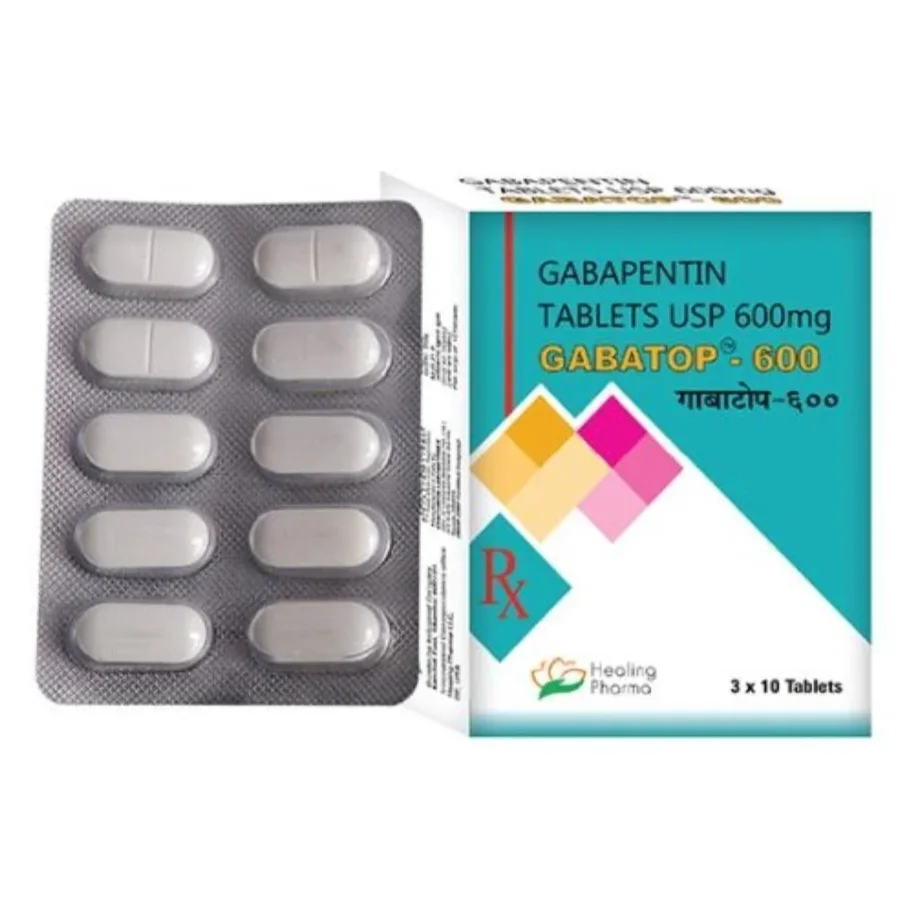
Gabapentin 300mg, known by its brand name Neurontin, is a popular prescription medication used to treat various neurological conditions. It is often prescribed for epilepsy, nerve pain, and restless leg syndrome, offering relief for many patients. In this article, we’ll explore the key uses, benefits, and potential alternatives to gabapentin, helping you understand how it works and what other options might be available.
What is Gabapentin 300mg (Neurontin)?
Gabapentin 300mg belongs to a class of medications called anticonvulsants. It was originally developed to manage seizures in epilepsy but has since become widely used for treating conditions involving nerve pain. Gabapentin works by affecting the nervous system, reducing pain and helping manage seizures by stabilizing nerve activity.
This medication is available in various doses, with the 300mg dose being common for many patients. It’s important to follow the prescribed dosage to ensure it works effectively and minimize side effects.
Common Uses of Gabapentin 300mg (Neurontin)
Gabapentin 300mg is used to treat a range of conditions. Let’s take a closer look at the most common uses.
1. Epilepsy (Seizure Control)
Gabapentin is often prescribed as part of the treatment for epilepsy. It helps control partial seizures by stabilizing electrical activity in the brain. This helps prevent the spread of abnormal signals that can lead to seizures. When used alongside other medications, gabapentin can improve seizure control in patients with epilepsy.
2. Nerve Pain
Gabapentin is highly effective in treating nerve pain. People who experience chronic pain due to conditions like diabetic neuropathy, shingles (postherpetic neuralgia), or spinal cord injury can benefit from gabapentin. This medication reduces pain by targeting nerve signals, alleviating the burning, tingling, or shooting pains often felt with nerve damage.
3. Restless Leg Syndrome (RLS)
Gabapentin is also used to treat restless leg syndrome (RLS), a condition where an irresistible urge to move the legs can disrupt sleep. This medication helps by reducing the discomfort that causes the need to move, helping patients rest more easily at night.
4. Fibromyalgia
Fibromyalgia causes widespread muscle and joint pain, along with fatigue and sleep disturbances. Gabapentin can help manage the pain associated with fibromyalgia, improving the quality of life for people suffering from this chronic condition.
How Does Gabapentin 300mg (Neurontin) Work?
Gabapentin works by altering the way the brain and nerves transmit pain signals. The exact process is not fully understood, but it is believed that gabapentin interacts with certain channels in the nervous system. By stabilizing the activity of these nerve channels, it helps reduce pain and control seizures.
Gabapentin essentially calms overactive nerve signals, which is why it is effective for both pain management and preventing seizures. This unique action sets it apart from regular painkillers and makes it especially useful for nerve-related conditions.
How to Take Gabapentin 300mg (Neurontin)
Gabapentin 300mg should be taken exactly as prescribed by your doctor. It’s typically available in tablet form, and it’s recommended to take it with food to prevent stomach upset. The dosage will vary depending on the condition you are treating and your individual health needs.
- For epilepsy: Dosage is usually started low and gradually increased to avoid side effects.
- For nerve pain: The dose may be adjusted based on how the pain is managed.
- For restless leg syndrome (RLS): The dose is typically lower to target the specific discomfort without causing drowsiness or other issues.
It’s important to never stop taking gabapentin suddenly. Doing so can cause withdrawal symptoms, particularly for patients taking the medication for seizures. Your doctor will provide a tapering schedule if it becomes necessary to discontinue the drug.
Common Side Effects of Gabapentin 300mg (Neurontin)
Gabapentin is generally well tolerated, but like any medication, it can cause side effects. Here are some common side effects:
- Drowsiness and dizziness: These are among the most common side effects, especially when starting the medication.
- Fatigue: Some patients may feel unusually tired.
- Swelling in the hands, feet, or legs.
- Weight gain: Gabapentin can increase appetite, leading to weight gain.
- Difficulty concentrating: Some people report difficulty focusing, especially when first taking the medication.
While these side effects are common, they are usually temporary and subside as the body adjusts to the medication. However, if you experience more serious side effects such as mood changes or thoughts of self-harm, seek medical advice immediately.
Alternatives to Gabapentin 300mg (Neurontin)
Although gabapentin is effective for many people, it might not be suitable for everyone. Some people may experience side effects, or the medication may not work as well for certain conditions. In these cases, there are several alternative medications that can provide similar benefits.
1. Pregabalin (Lyrica)
Pregabalin is closely related to gabapentin and is often used as an alternative. It works in a similar way to gabapentin but may be more effective for certain conditions, such as generalized anxiety disorder and fibromyalgia. Pregabalin is also approved for treating nerve pain and seizures, like gabapentin.
2. Carbamazepine (Tegretol)
Carbamazepine is an anticonvulsant used to treat seizures and nerve pain, particularly trigeminal neuralgia. It works by stabilizing the electrical activity in the brain and can be a suitable option if gabapentin does not work for you.
3. Topiramate (Topamax)
Topiramate is another anticonvulsant used to control seizures and prevent migraines. It may also help with nerve pain in some cases. It is an alternative for those who have not found relief with gabapentin.
4. Duloxetine (Cymbalta)
Duloxetine is an antidepressant that also treats nerve pain, especially in people with diabetic neuropathy or fibromyalgia. It works by increasing levels of serotonin and norepinephrine, which can help reduce pain and improve mood.
5. Tricyclic Antidepressants (TCAs)
Tricyclic antidepressants like amitriptyline and nortriptyline are sometimes used off-label to treat nerve pain. They work by altering neurotransmitter levels in the brain, similar to gabapentin, and can be an option for those with chronic pain conditions.
When to Consult Your Doctor
It’s crucial to discuss any medication with your doctor, especially if you experience new or worsening symptoms. If you have concerns about gabapentin, such as side effects or effectiveness, your healthcare provider can help you find the best treatment for your condition.
Always let your doctor know if you are taking any other medications, as gabapentin can interact with other drugs. If you’re pregnant, planning to become pregnant, or breastfeeding, make sure to inform your doctor as well.
Conclusion
Gabapentin 300mg (Neurontin) is an effective treatment for conditions such as epilepsy, nerve pain, restless leg syndrome, and fibromyalgia. It works by stabilizing nerve activity, which helps manage seizures and alleviate pain. While it is generally safe, it’s essential to follow your doctor’s instructions and be aware of possible side effects.
For those who cannot tolerate gabapentin, alternatives like pregabalin, carbamazepine, or duloxetine may provide similar benefits. Always consult your healthcare provider to determine the best treatment plan for your needs.
By understanding how gabapentin works and its potential side effects, you can make informed decisions about your treatment and ensure the best possible outcome for your health.
Other Resources: